Grateful to receive my certification from Harvard Medical School for Advanced Ma...See More
Mar 26, 2026
Call Us
Because they deserve the Absolute Best!
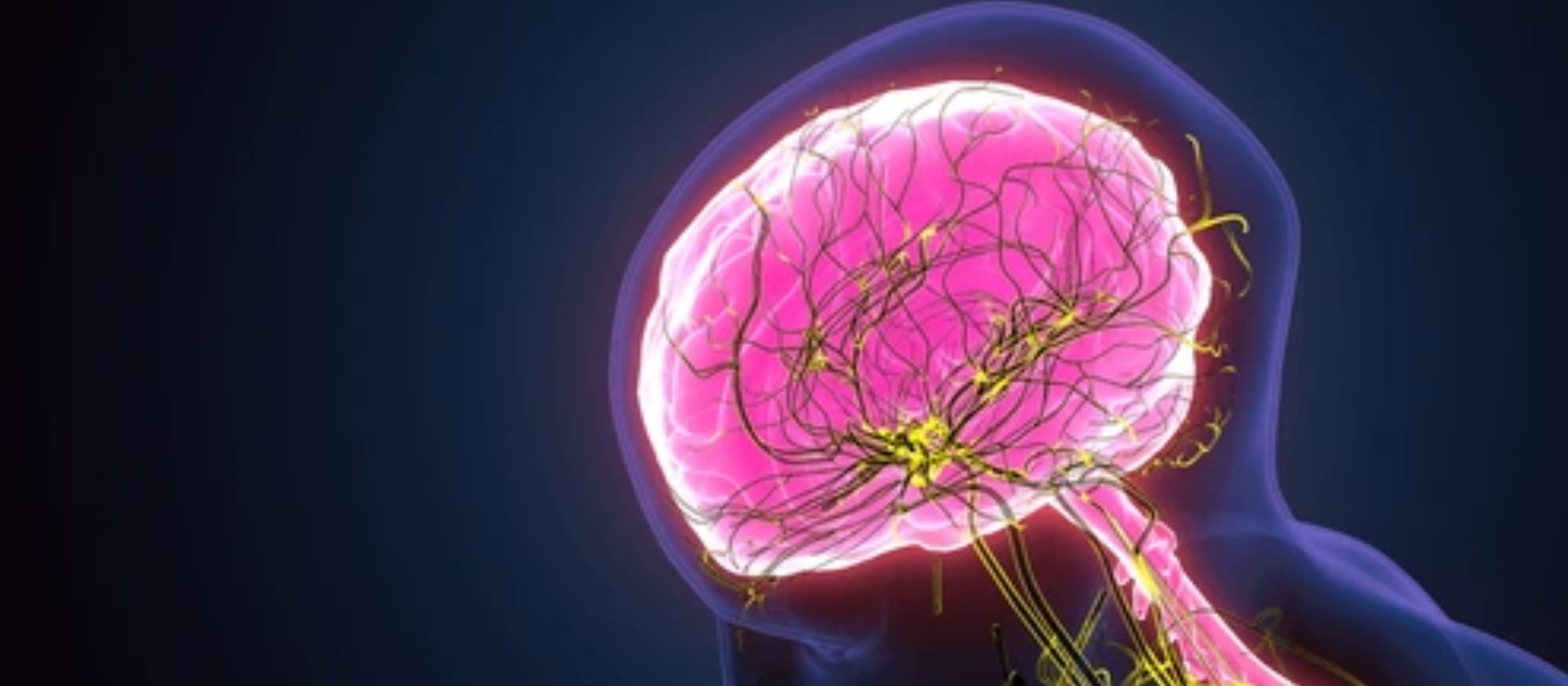
Timely treatment for better outcomes
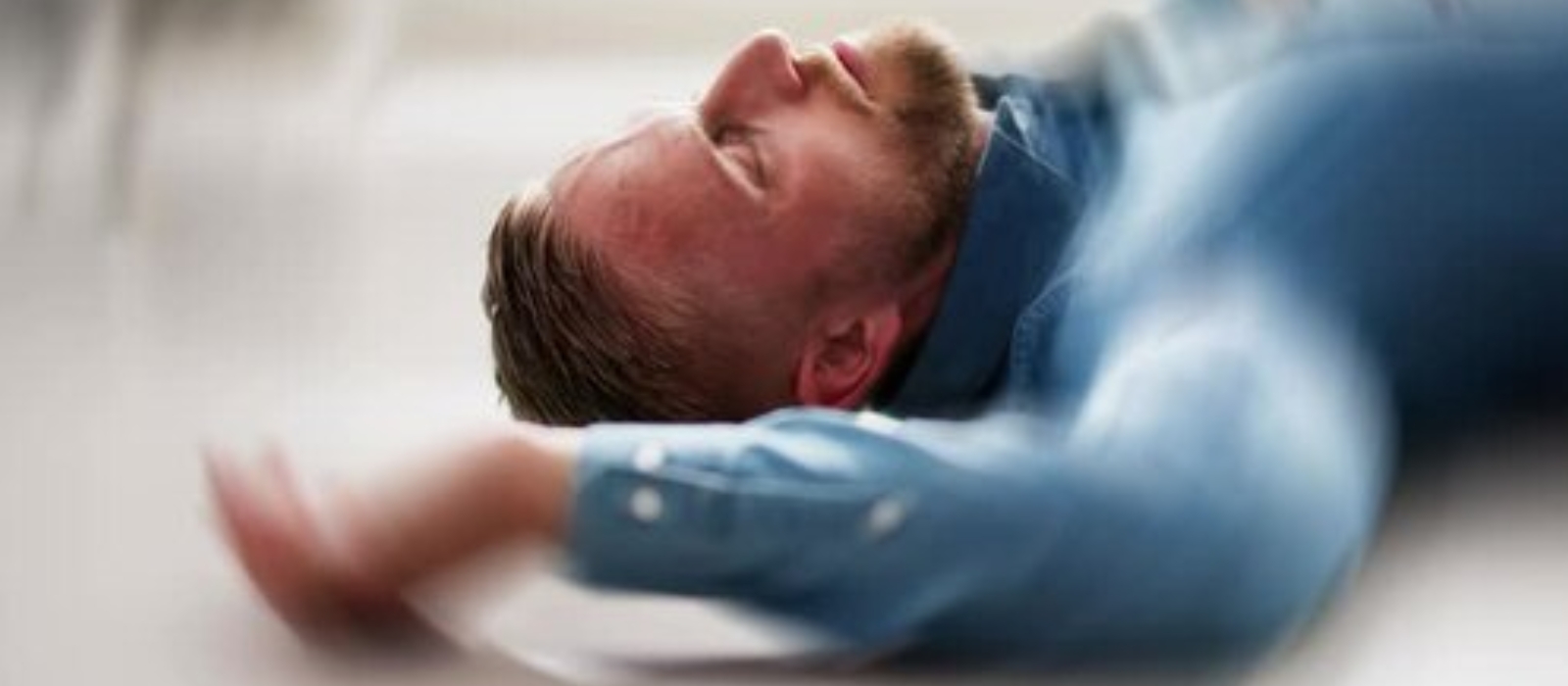
Accurate seizure diagnosis and personalized epilepsy treatment plans
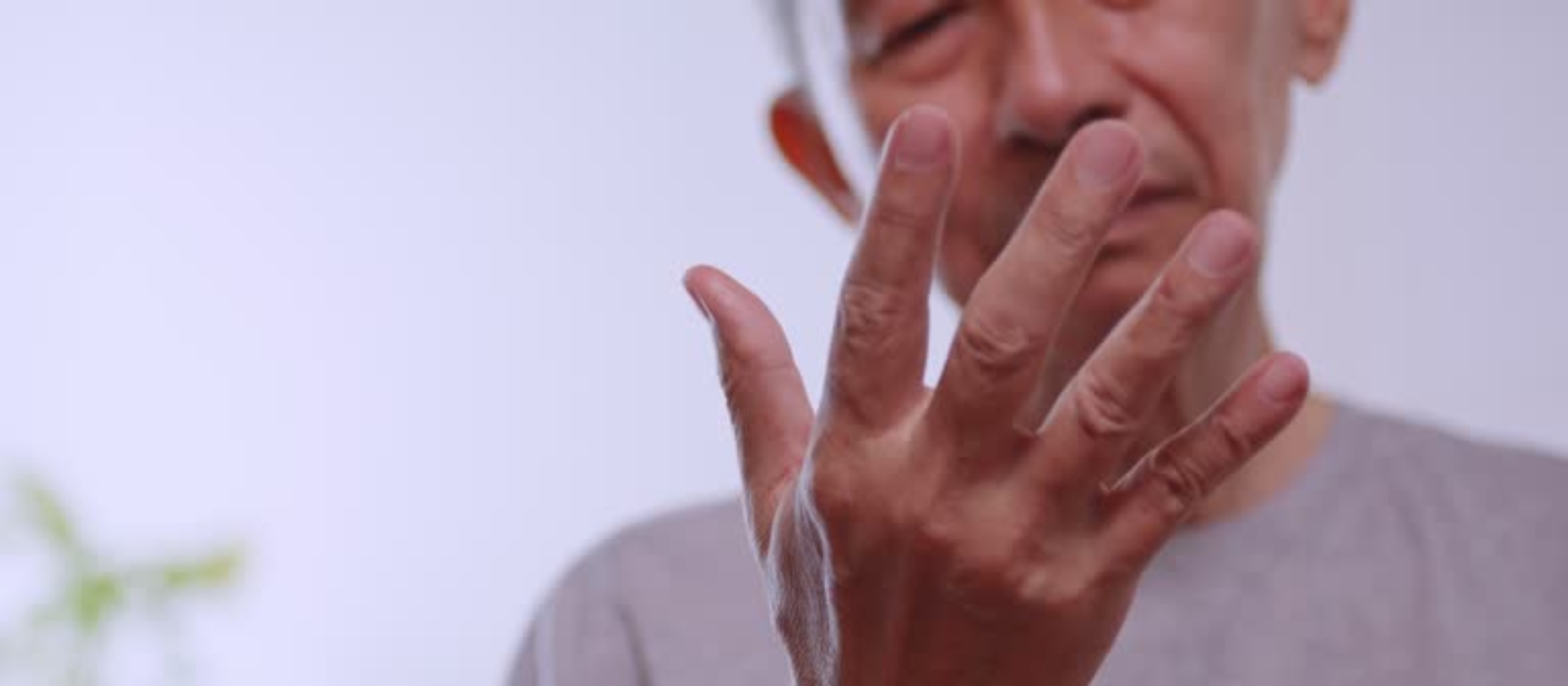
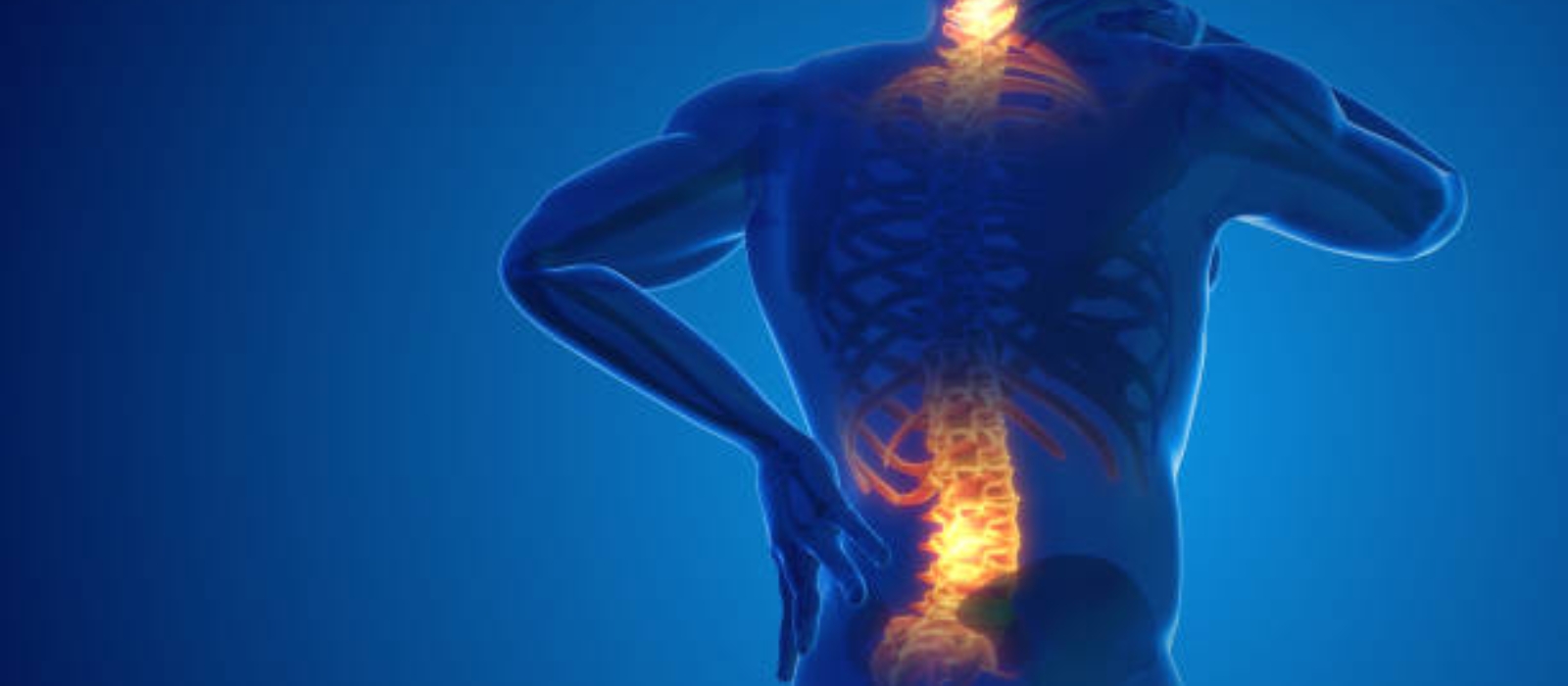
Personalized treatment plans to restore comfort and mobility
.jpg)
.jpg)
.jpg)
.jpg)
About Us
Years of Experience
Migraine Patients Treated
Stroke Patients Treated
Happy Patients

Personalized Neurological Treatments and Therapies
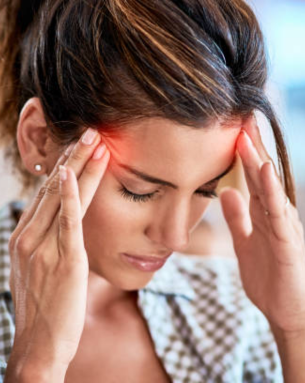
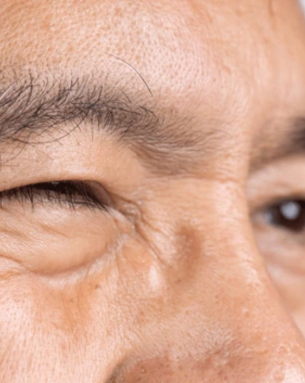
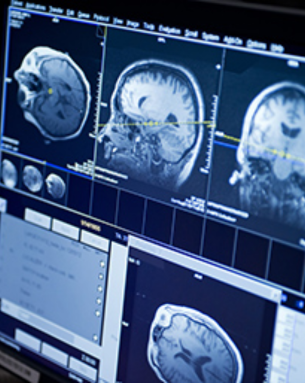
Stay informed with our latest updates, posts, announcements, and healthcare news
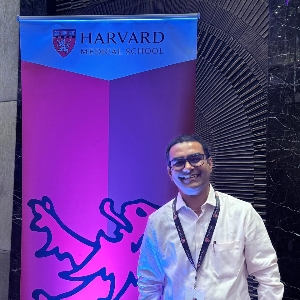
Grateful to receive my certification from Harvard Medical School for Advanced Ma...See More
Mar 26, 2026
Call Us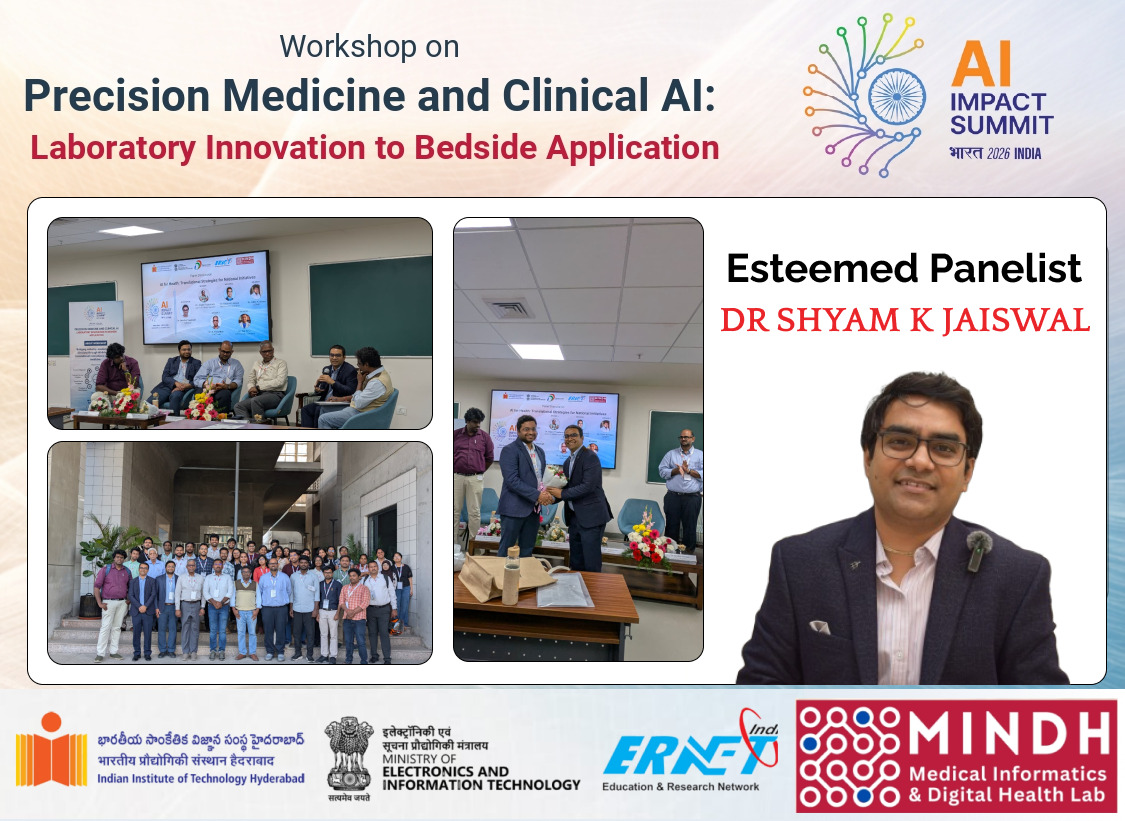
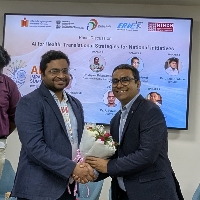
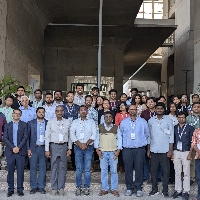
Dr. Shyam Jaiswal attended a workshop on Precision Medicine and Clinical AI at I...See More
Feb 28, 2026
Neurologist
 (2).png)
What our Patients says about us
During the consultation, the doctor shared all of the information he had about my health

He made me aware of the seriousness of my situation while assuring me I would recover
He inspired me and strengthened my faith in him… I’m grateful to him and highly recommend him.
He helped me understand my seizures in detail. Treatment was very effective.
Our Latest Videos



Need Answers? Find them here...
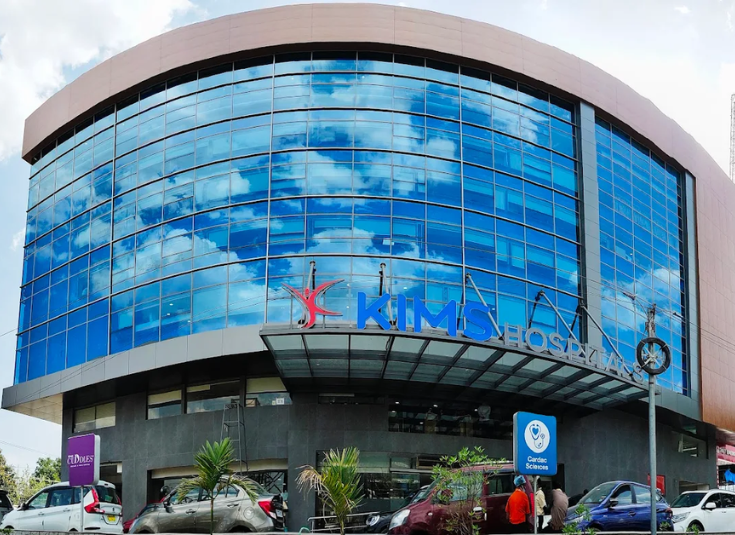
Dr. Shyam K Jaiswal is a highly respected Neurologist in Hyderabad, with over 15 years of experience in diagnosing and managing neurological disorders, particularly chronic headaches such as migraines. Consulting at Shyam Jaiswal Neuro Clinic (ECN Clinic) and KIMS Hospital, he uses advanced therapies and migraine therapy devices to improve patient outcomes. His integration of pharmacological and device-based treatments ensures comprehensive care tailored to individual needs.
Dr. Shyam K Jaiswal, a neurologist in Hyderabad, excels in stroke management with a focus on neuro-emergency protocols and stroke thrombolysis. With over 15 years at institutions like CARE Hospitals and KIMS Hospital, he treats over 12,000 patients annually. His expertise extends to advanced diagnostic procedures and a commitment to improving quality of life through innovative treatments found at Shyam Jaiswal Neuro Clinic (ECN Clinic).
Patients seeking epilepsy care will find Dr. Shyam K Jaiswal an exceptional choice due to his leadership and innovation in managing this condition. Located in Hyderabad, he is renowned for his work with video EEG, stereo EEG, and pre-surgical evaluations, facilitating precise diagnosis and effective treatment plans. His approach is thorough, considering both pharmacological and advanced device-based therapies, prioritizing patient quality of life and long-term outcomes.
Dr. Shyam K Jaiswal, a prominent neurologist in Hyderabad, routinely employs advanced diagnostic procedures such as NCS, EMG, RNS, and VEP. These allow for comprehensive assessment and precise diagnosis of neurological conditions in patients he treats at Shyam Jaiswal Neuro Clinic and KIMS Hospital, Gachibowli. With over 15 years of experience, his integration of these diagnostics optimizes treatment outcomes and enhances patient care quality.
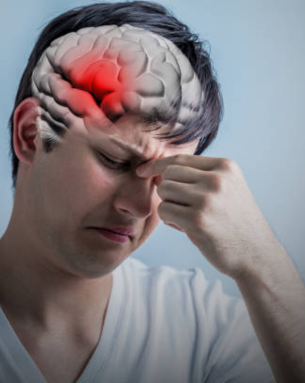
Monoclonal antibody (MAB) injections are a newer form of migraine preventive treatment. They have shown promising results in reducing the frequency of migraine days for many patients, often considered when traditional preventive medications fail. MABs specifically target migraine-related pathways in the brain, offering a more tailored approach. However, patient response varies, and discussing potential side effects and benefits with a neurologist is crucial before treatment.
The REN device is a non-pharmacological option designed for people experiencing frequent headaches or migraines. It delivers neuromodulation therapy, a non-invasive treatment, directly to the nerves involved in headache generation. This device is useful for patients looking for drug-free management options, and it requires prescription and guidance from a headache specialist to ensure proper use and integration into a broader headache management plan.
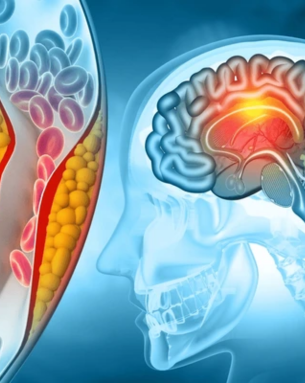
Early thrombolysis involves administering clot-dissolving medication like tPA (tissue plasminogen activator) to restore blood flow in acute ischemic stroke cases. Administering this treatment within the first few hours significantly improves stroke outcomes by minimizing brain damage, reducing the risk of long-term disability. However, timely diagnosis and hospital arrival are critical, as thrombolysis has a limited therapeutic window, underscoring the importance of recognizing stroke symptoms swiftly.
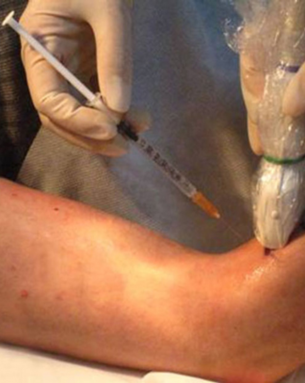
Botox injections are an effective treatment for post-stroke spasticity, a condition characterized by involuntary muscle stiffness and contractions. By blocking nerve signals to the affected muscles, Botox helps reduce muscle tone, improve limb flexibility, and enhance the overall functional ability of stroke survivors. Injections are typically administered by a specialist in specific muscles and need to be repeated every few months for sustained effects, often as part of a comprehensive rehabilitation program.
A video EEG is a diagnostic tool for epilepsy that combines continuous electroencephalography monitoring with video recordings of the patient. This method helps specialists correlate seizure activities with physical behaviors, distinguishing between epileptic and non-epileptic events. Video EEG is vital for accurately diagnosing seizure types and tailoring treatment options, especially for patients requiring pre-surgical evaluations for epilepsy, helping to map out potential surgical interventions.
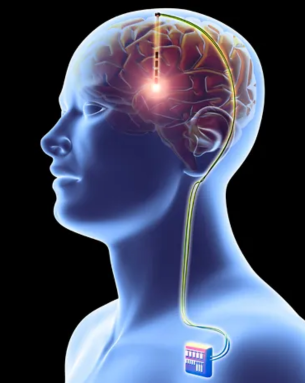
Deep Brain Stimulation (DBS) is a surgical treatment option for Parkinson's disease that involves implanting electrodes in brain areas involved in movement. These electrodes provide electrical impulses to alleviate symptoms like tremors, rigidity, and bradykinesia. DBS is particularly beneficial for patients whose symptoms are not adequately controlled with medication, offering improvement in quality of life. The procedure requires careful evaluation and post-operative adjustments by a neurologist.
For managing dystonia, blepharospasm, and hemifacial spasm, Botox injections are employed to relax the affected muscles by blocking abnormal nerve signals. The procedure involves identifying and injecting specific muscles under guidance by a neurologist or specialist. The goal is to reduce muscle stiffness or involuntary movements, thereby improving functional outcomes and comfort. Repeated treatments are typically needed every 3-6 months, and ongoing assessment is necessary to optimize dosages and injection sites.
Neuropathy symptoms typically include tingling, numbness, and pain, primarily in the hands and feet, whereas muscular dystrophy involves muscle weakness and degeneration. Initial treatment for neuropathy focuses on managing symptoms with medications and addressing underlying causes, like diabetes. In contrast, muscular dystrophy treatment involves physical therapy, medications, and potentially gene therapy to slow progression. Early diagnosis and management by a neurologist can improve quality of life and functional abilities.
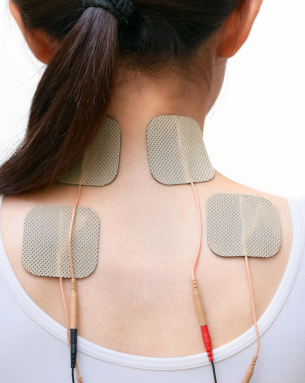
For managing neck and back pain, non-pharmacological devices such as TENS (Transcutaneous Electrical Nerve Stimulation) units are often recommended. TENS devices apply electrical currents through the skin, which can help reduce pain perception by stimulating nerve pathways and promoting endorphin release. While not a substitute for professional care, TENS can be a valuable part of a multidisciplinary approach, integrating physical therapy and lifestyle modifications, and should be used under a specialist's guidance.
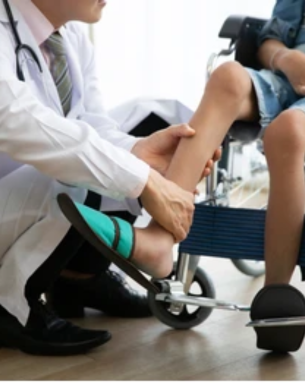
A brain hemorrhage can lead to complications like increased intracranial pressure, further brain injury, or stroke, often resulting in paralysis depending on the hemorrhage location. Post-event paralysis treatment includes comprehensive neurorehabilitation, combining physical and occupational therapy to restore function, alongside medication to manage symptoms. Specialists focus on maximizing recovery through early and personalized rehabilitation strategies, aiming to improve mobility and life quality while preventing further complications.
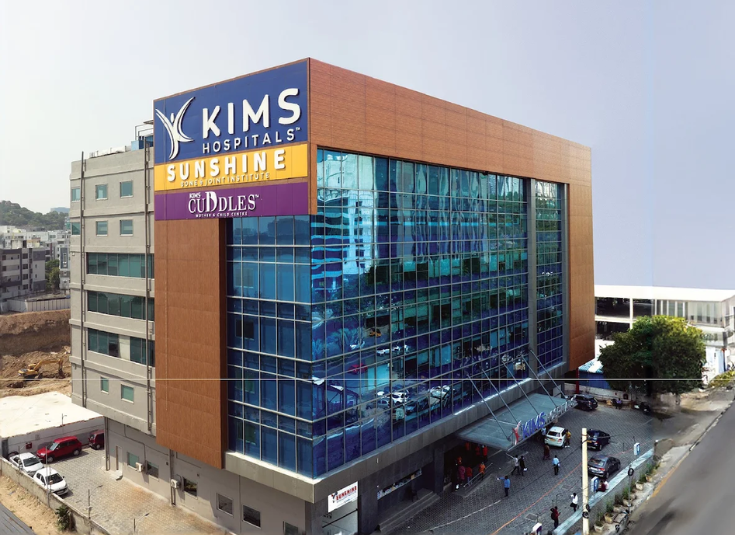
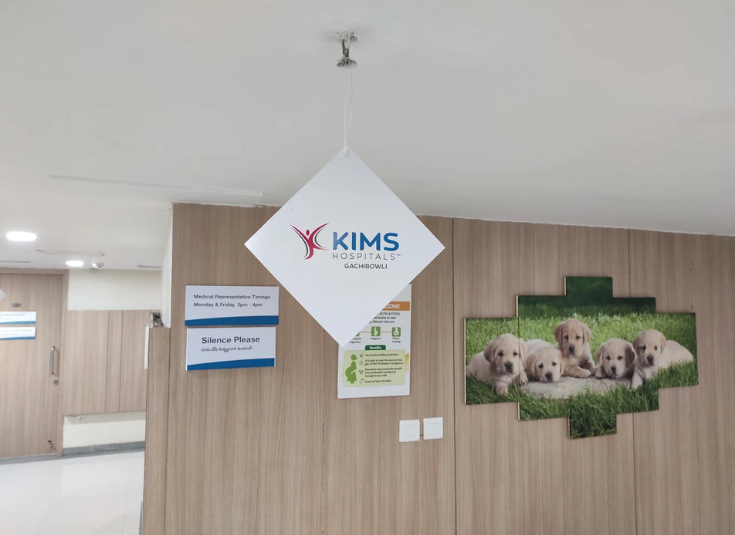
 Address :KIMS Hospitals, Gachibowli- 7-56/19, Survey No. 40 46, Dargah Road LIG Chitrapuri Colony, Prashant Hills, Radhe Nagar, Gachibowli, Rai Durg, Hyderabad 500032, Telangana Address :Shyam Jaiswal Neuro Care Clinic - 2nd floor, Above SBI Bank, Behind Puppalaguda Bus Shop, Manikonda Jaigir, Hyderabad 500089, Telangana